

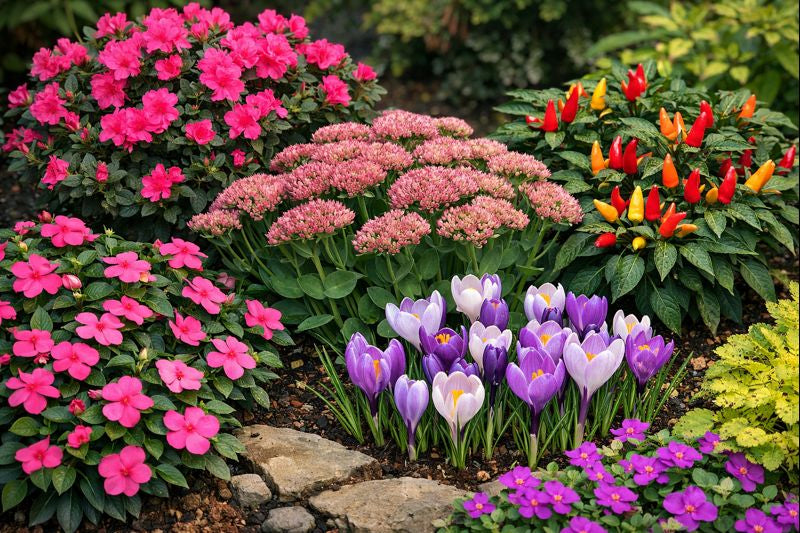

National Garden Bureau Announced Top Plants for 2026
Each year the National Garden Bureau (NGB) selects one annual, one perennial, one bulb crop, one edible, one houseplant, and one shrub as our “Year of the” crops. Plants are chosen because they are popular, easy-to-grow, widely adaptable, genetically diverse, and versatile.
- Annual of the Year: Impatiens
- Perennial of the Year:Sedum
- Bulb Crop of the Year: Crocus
- Edible of the Year: Hot Peppers
- Houseplant of the Year: Ficus
- Shrub of the Year: Azalea
Annual of the Year: Impatiens #YearOfTheImpatiens
From stunning window boxes to lush botanical displays, the highly adaptable Impatiens genus brings vibrant color and joy to gardens worldwide, proving itself a timeless favorite.
Impatiens Growing Tips
- Light matters! Traditional Impatiens love shade, while SunPatiens can rock full sun – know your variety before planting.
- Want happy Impatiens? Plant them in rich, well-draining soil with a pH between 6.0-6.5 and watch them thrive!
- Water Impatiens at the soil level, not overhead, and keep the soil consistently moist for best results.
- Give Impatiens room to grow! Traditional varieties need 8-12 inches of space, while SunPatiens need 14-24 inches.
- Feed ground-planted Impatiens monthly with balanced fertilizer (15-15-15), but container plants might need weekly feedings or a dose of slow-release fertilizers.
- Keep Impatiens looking fresh and blooming by regularly deadheading and pinching back leggy growth
- Protect Impatiens from late spring and early fall frosts by monitoring weather forecasts and covering when needed.
Did you know?
- In ancient China, impatiens petals were mixed with roses, orchids and alum to make nail polish
- Impatiens is a large genus of about 850–1000+ species of flowering plants native to Africa. In the wild, they can be found in roadside ditches and riverbanks.
- Impatiens are relatively easy to care for, making them a good option for a busy household. they also thrive in beds, containers, hanging baskets, etc.
Perrenial of the Year: Sedum #YearOfTheSedum
A favorite among gardeners, the Sedum genus is recognized for its durability, drought tolerance, and proven ability to thrive in even the most challenging environments.
Sedum Growing Tips
- Most Sedum prefer dry, well-drained soils and handle poor, rocky, and nutrient-deficient soils exceptionally well.
- Sedum can be grown in most zones, with different species handling extreme colds of Zone 3 and others extreme heat in Zone 11.
- Sedum are succulents and therefore store a lot of moisture in their leaves. This allows them to go for long periods of time without supplemental watering.
- Most Sedum begin to struggle if overwatered. Some possible side effects include stretching and lowered stem strength, resulting in floppy plants. Overwatering may also show as brown spots or cracks in the foliage because excess moisture causes swelling which causes the leaves to burst and form a brown scab to heal itself.
- Most times, no fertilizer or soil amendments are necessary to grow healthy Sedum plants.
- Sedum are very durable and can be divided and moved at almost any time. The best time to move or divide Sedum is in the fall after they have finished flowering, or in the Spring as they are just emerging from their winter sleep.
Did you know?
- Some sedums have a creeping habit, making them suitable for groundcovers or as a low-maintenance lawn alternative
- The late-season blooms of sedums provide a burst of color when other plants are starting to fade and attract beneficial insects like bees and butterflies, which are important for pollination and garden health
Bulb Crop of the Year: Crocus #YearOfTheCrocus
Growing crocuses is a rewarding gardening experience that offers vibrant, early blooms to brighten up the garden after a long winter.
Crocus Growing Tips
- Crocus prefer loose, well-drained soil, but aren’t terribly fussy and will also tolerate sandy and clay soil.
- Crocuses are hardy in zones 3-8 and need full sun to partial shade.
- Crocus need a cold period to bloom, at least 10 weeks of temperatures under 45°F.
- After crocuses have bloomed, let the foliage dry and turn yellow naturally. There is no need to deadhead them.
- If planted in the lawn, wait until their foliage dies back to mow that area. They need the nourishment for their foliage to bloom the next year.
- Crocus naturalizes easily and fairly quickly. If you have large clumps, you can lift and divide them just after they bloom.
- Squirrels and chipmunks sometimes dig up and eat crocus bulbs. After planting, protect your bulbs with screening or spray with deer repellent.
- Excellent for beds and borders, rock gardens, and lawns.
Did you know?
- Crocus provide an early season pollen source for bees
- Saffron from the C. Sativus species, is more expensive than gold. One flower produces just three red stigmas. It takes 80,000 flowers to produce just one ounce of saffron.
- Crocuses have natural insulation. Their leaves and petals are covered by a waxy cuticle that protects them from frost and snow.
Edible of the Year: Hot Pepper #YearOfTheHotPepper
Peppers (Capsicum spp.) are a globally cherished and incredibly diverse crop—domesticated over 10,000 years ago in the Americas—that continues to bring essential flavor, color, spice, and unique regional identity to plates and gardens on every continent.
Hot Pepper Growing Tips
- Select varieties that will ripen in your growing season. Some varieties of hot peppers (especially Chinense and C. Baccatum) can take 100+ days to ripen!
- Think about how you plan to use your peppers and choose your varieties accordingly. There are plenty of options for ornamental peppers if you’re not interested in eating them!
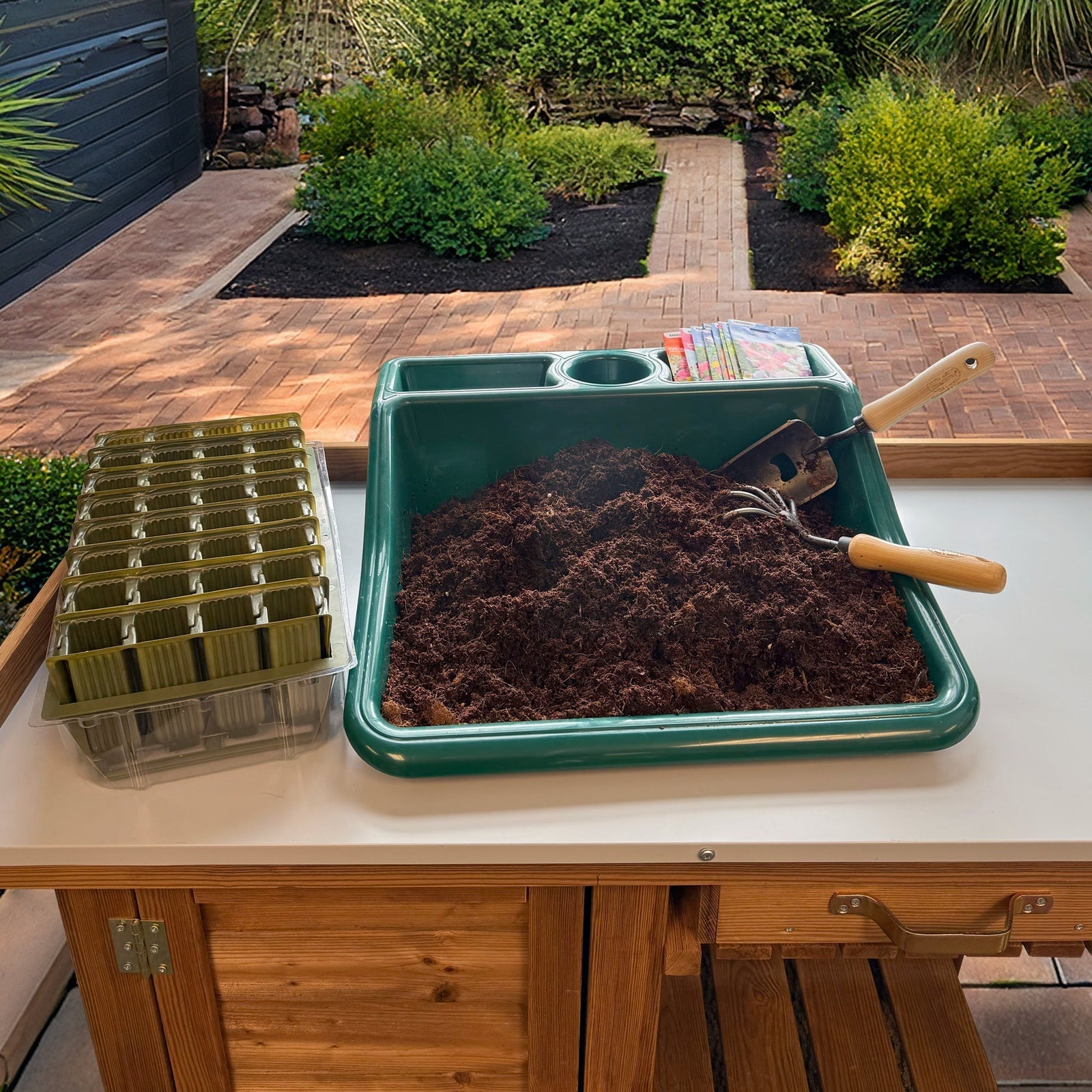
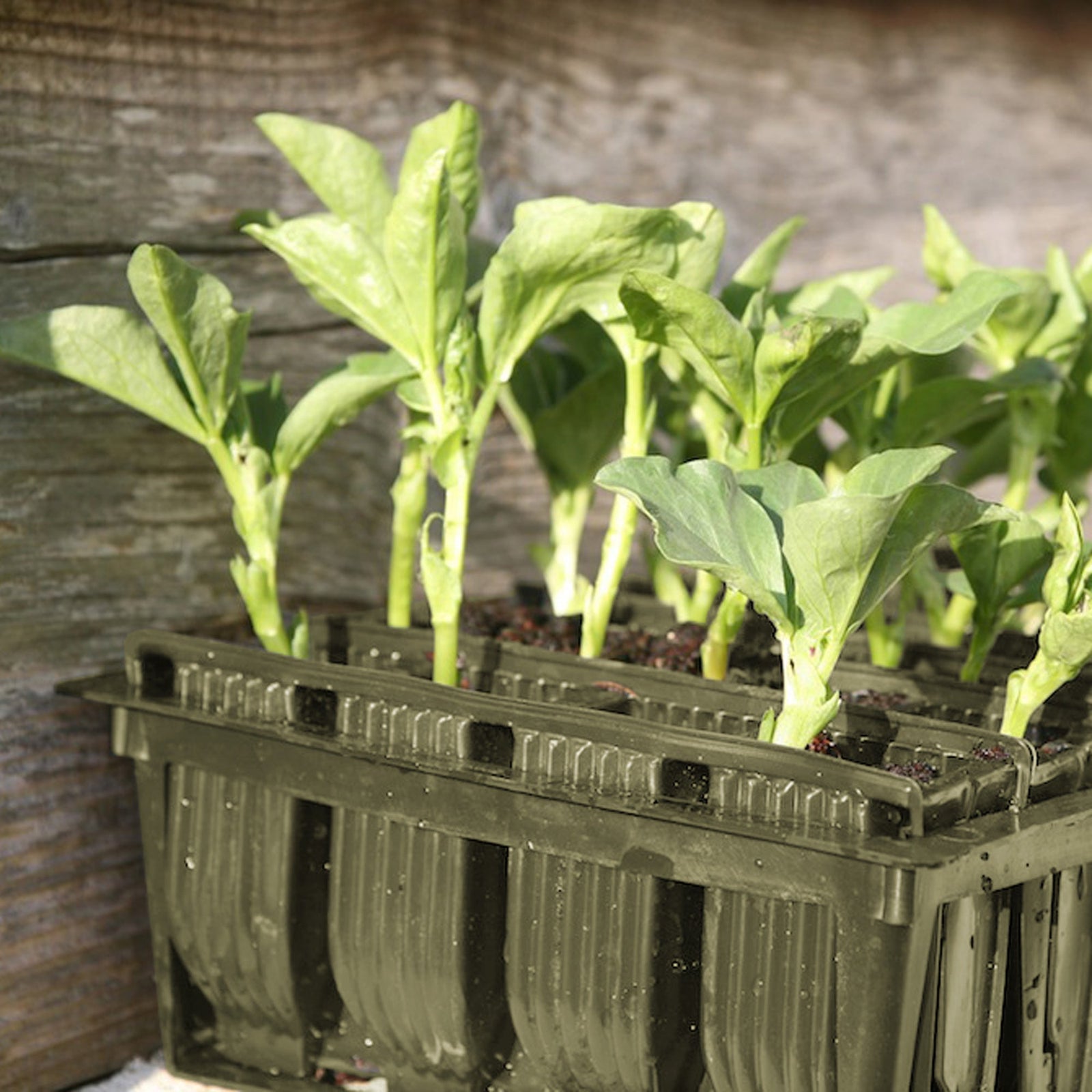
- Strong Seedling = Hearty Harvest. Give your peppers a fighting chance by either purchasing strong seedlings from your local garden center or investing in a good seed-starting system at home. (Seedlings with fruit already on them have likely either been in the same container for too long or were stressed into flowering. If your seedling has flowers or fruit before transplanting, be sure to remove these.)
- Peppers are very cold-sensitive. Check your last frost dates in the spring before planting them outside.
- Avoid planting your peppers too close together. Densely planted peppers will stretch and be more fragile.
- Consider support for the plants that will bear a heavy fruit load. Cages, stakes, and trellis wire can all help in supporting a pepper plant’s growth.
- Wait to harvest peppers until they have fully changed color (unless, of course, you want a green pepper to eat!)
- Hot peppers contain capsaicin – which can be a skin and eye irritant. To protect yourself, wear gloves when harvesting and processing any hot peppers.
Did you know?
- Studies suggest capsaicin may boost metabolism, aid in weight management & possess anti-inflammatory properties
- Birds, slugs and other non-mammals are immune to the heat of chili peppers
Houseplant of the Year: Ficus #YearOfTheFicus
Ficus are Everywhere: A Rich, Diverse, and Global Family of Plants with a Variety for Everyone.
Ficus Growing Tips
- Even though they’re often positioned as low-light-tolerant plants, all Ficus varieties will be happier and do better in a brighter spot indoors than a dimmer spot.
- Ficus can put up with being rootbound, but they don’t prefer it. Repotting every year or two—as roots fill about 75 percent of the root ball—will help provide optimal growth.
- White- or pink-variegated Ficus varieties have less chlorophyll than their cousins, so they’ll grow more slowly and may be more susceptible to stress. They may need a little extra attention.
- Some Ficus varieties—including Fiddleleaf Fig—can root from just a leaf cutting. But without a node to grow from, these are “zombie” leaves—the leaf will never grow, it will just maintain itself until it reaches the end of its natural lifespan.
- Wiping down Ficus leaves—particularly large-leaf varieties—as dust accumulates can help keep your plant significantly happier and healthier! A dust layer reduces the amount of light that reaches the leaf surface. The less light, the less energy the plant has.
Did you know?
- The Banyan Tree (Ficus Benghalensis) is the national tree of India and the official tree of Bangkok
- Weeping Figs and Fiddle Leaf Figs are the most popular Ficus varieties.
Shrub of the Year: Azalea #YearOfTheAzalea
Azaleas are the crown jewel of the landscape, renowned for their breathtaking, bloom-packed seasonal displays, and are now available in incredibly diverse, hardy, and even reblooming varieties thanks to centuries of captivating cultivation and modern hybridization.
Azalea Growing Tips
- The best time to plant azaleas in most parts of the US is generally in early spring or fall. This will give them plenty of time to acclimate before seasonal extremes – summer’s brutal heat and winter’s freezes – set in.
- Consistent watering plus a 2-3” layer of mulch can help your new azalea beat the heat and stay well-hydrated.
- Prune azaleas right after their spring flowers fade. Pruning later – in summer, fall, or winter – could jeopardize the next year’s spring buds, diminishing your blooms.
- While numerous azaleas benefit from morning sun and afternoon shade, some varieties of azaleas are much more sun-tolerant than others and actually need a certain amount of full sun.
- Keep your azalea’s soil pH between 4.5–6.0. Amend with composted leaves, pine bark, pine needles, or peat moss for acidity and drainage. Mulch 2–3″ with organic material to protect your azalea’s shallow roots and retain moisture.
- Fertilize azaleas right after spring bloom using slow-release acid-loving plant food; water the fertilizer in well.
- For a fresh take on a living fence, evergreen azaleas are perfect for the job. With year-round foliage and reblooming varieties that deliver months of blooms, evergreen azaleas are an excellent choice
- You may love azaleas, but pollinators do too! Bright pink and red azaleas are magnets for hummingbirds, while white blooms attract fluttering moths, and could even be used in a nighttime moon garden. Early-blooming azalea varieties give overwintered bees a vital first food source, helping kickstart pollinator activity in your garden each spring.
Did you know?
- Several U.S. cities host azalea festivals when they are in peak bloom
- Azaleas can be shaped and trained like Bonsai trees because their branches are flexible



Leave a comment (all fields required)